Embroidery Clipart Review
First Impressions of Embroidery Clipart
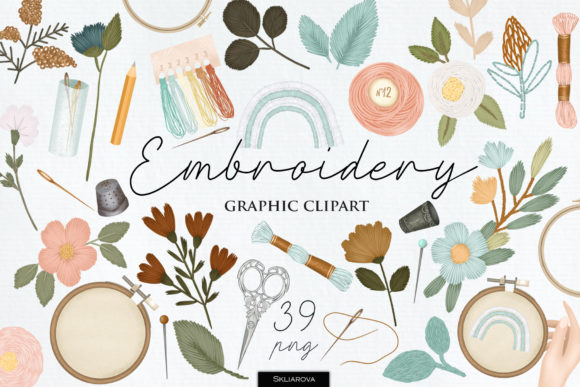
From the moment I laid eyes on Embroidery Clipart, it felt like a treasure trove for any craft fair seller or handmade shop owner. The collection includes separated PNG files with transparent backgrounds—39 elements in total, each sized at approximately 3000x3000 pixels. This high-resolution detail makes it ideal for a variety of embroidery projects, from tote bag designs to apron embroidery.
Where Embroidery Clipart Shines
At a craft fair, first impressions matter. Embroidery Clipart has a clean, modern aesthetic that stands out among cluttered displays. Its versatility allows it to work well on products like tea towel embroidery, embroidered patches, and fabric pouches. Whether you're selling handmade gifts or small shop products, these designs can elevate your booth's visual appeal.
For a weekend craft fair booth, Embroidery Clipart offers a range of options. It can be used as a focal point on a pillow cover or as an accent on a market bag. The designs are also perfect for printable mockups, giving customers a clear idea of how the finished product will look before they make a purchase.
Practical Considerations for Production
When considering production, the ease of understanding a design at a glance is crucial. Embroidery Clipart is straightforward, making it easy to translate into a machine embroidery design. It works well as both a small accent and a large focal piece, depending on the project.
Photographing these designs for online listings is also a breeze. Their clarity and detail ensure that they look great in Etsy listings or social media posts. For commercial embroidery, the high quality of the illustrations ensures that the final product maintains its integrity.
Careful-Use Notes
While Embroidery Clipart is versatile, there are some considerations to keep in mind. Dense stitch areas may require additional stabilizer, especially when working with thick fabrics or textured towels. Tiny details might not translate well on dark fabric, so testing on different materials is essential.
Curved cap surfaces can be tricky, and small lettering may become lost if not adjusted properly. It’s important to review spacing and confirm the hoop size before starting a project. Additionally, checking thread colors against the fabric is a must to ensure the best results.
Impact on Visual Appeal and Sales
Embroidery Clipart adds significant value to handmade products. Its premium feel can enhance the perceived quality of a finished product, making it more appealing to customers. For a boutique maker or creative entrepreneur, this design asset can help maintain brand consistency across various items.
On a craft fair booth, strong visual appeal is key. Embroidery Clipart helps create a cohesive display that draws attention. Whether it's a tote bag design or an apron embroidery, these elements contribute to a professional-looking setup that encourages buyer engagement.
Embroidery Designer Tips
As an experienced embroidery designer, I always recommend testing a design on scrap fabric before committing to a full production run. Check the stitch density and ensure the design works well with your chosen thread colors. Using the right stabilizer can prevent puckering and ensure a smooth finish.
Creating at least one real mockup is also crucial. It allows you to see how the design looks on actual fabric and identify any issues before mass production. Comparing fabric colors and confirming commercial licensing are other important steps to take before selling finished products.
Final Thoughts on Embroidery Clipart
Embroidery Clipart is a valuable addition to any embroidery business or handmade shop. Its high-quality illustrations and versatility make it suitable for a wide range of products. From tote bag designs to embroidered patches, this collection offers something for every craft fair seller and digital seller.
Whether you're an Etsy seller or a small shop product creator, Embroidery Clipart provides the design assets needed to stand out in a competitive market. With proper testing and consideration, it can become a staple in your commercial embroidery workflow.